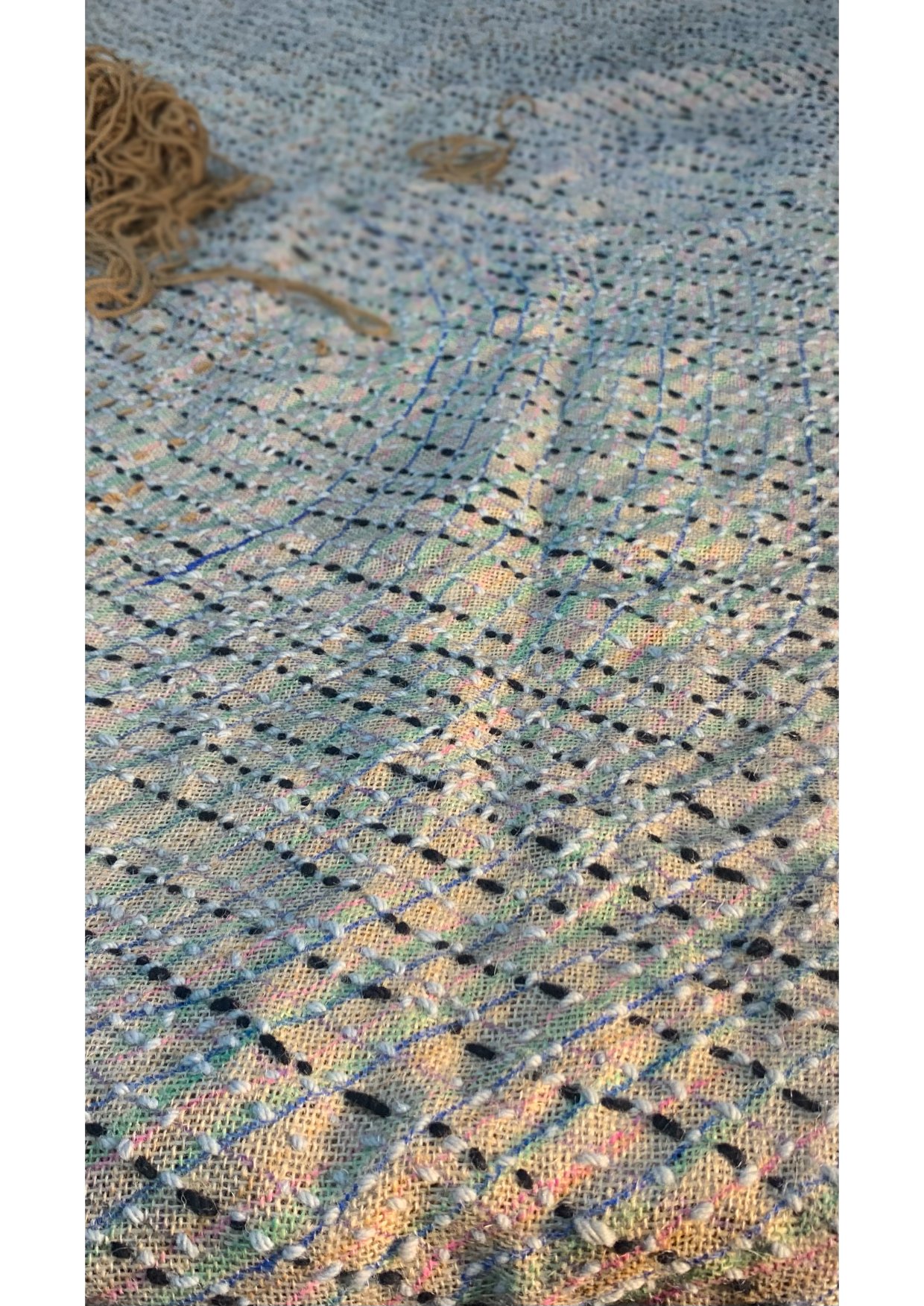
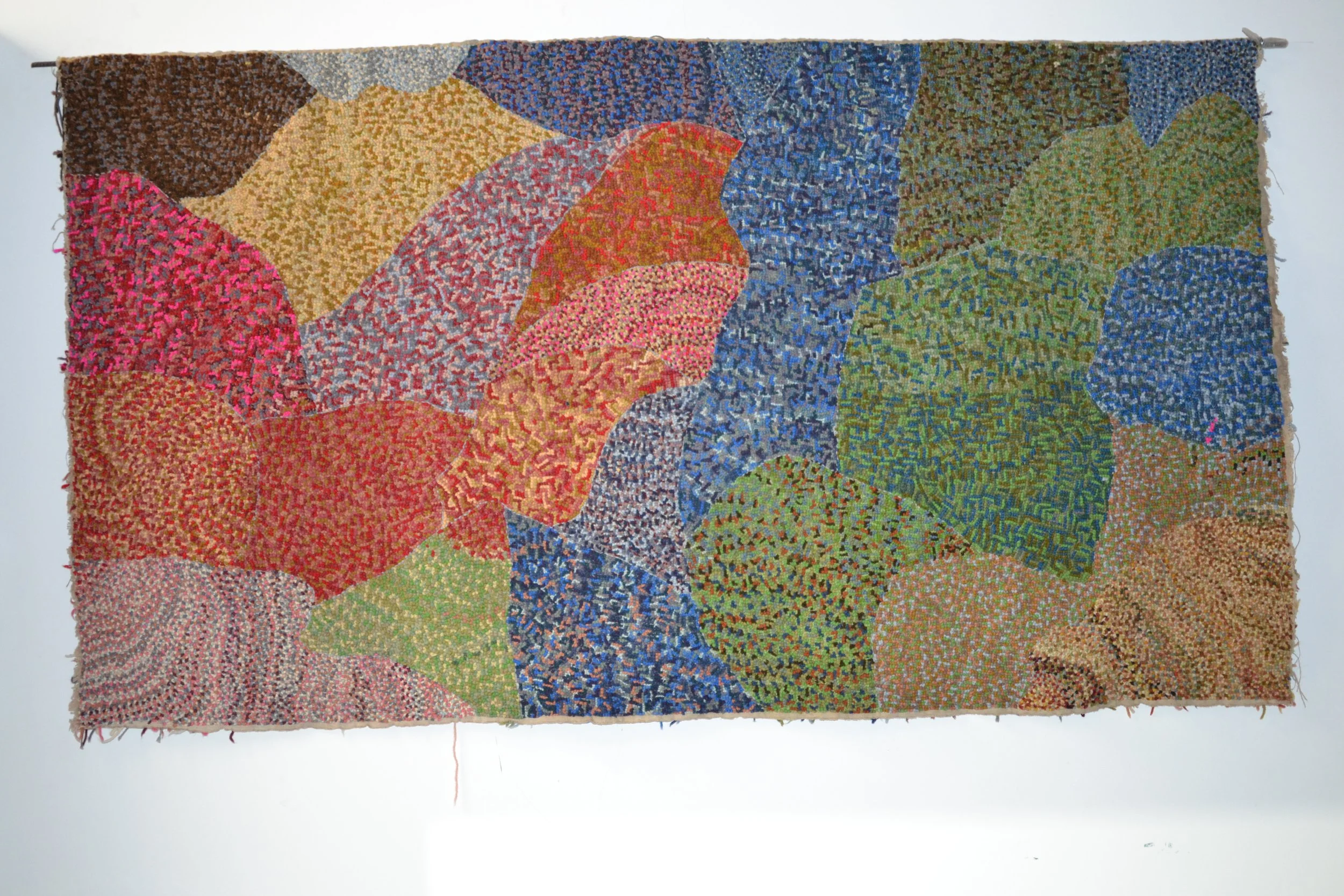
Wool on jute, studio photo
- 10 September 2026.
Begun May 2026, still no anticipated completion date.
Time in this studio runs slower.
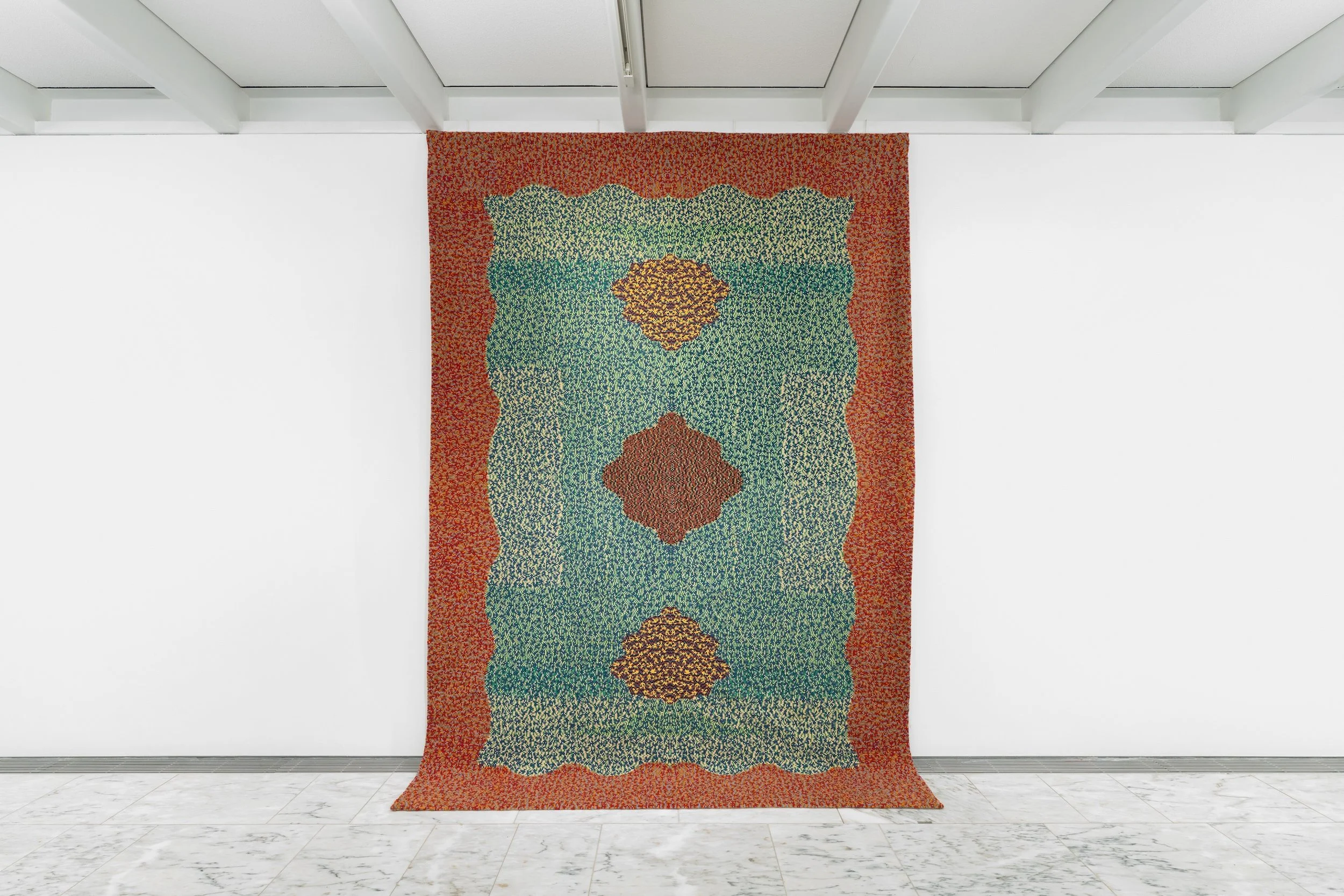
Filipe Rocha da Silva builds worlds from accumulation. Across six decades and multiple media — oil on canvas, pencil on paper, printmaking, vídeo and textile — his work consistently returns to a single governing principle: the dense, patient layering of small marks, figures, or units of colour that, taken together, produce something larger than their sum. Subject matter is always subordinated to this relentless accumulation, which gives his work a rare unity. To look closely is to see the unit; to step back is to see the world it builds.
-
(…) He is there - we are speaking of the witness without choice that this man is, Filipe Rocha da Silva - there where wave upon wave of people comes crashing down in silence, a people that does not devour itself only because it hates itself too much, and that lifts to a saint or to some crude idol its small useless hands, swift in the fulfillment of the blindness of its destiny. And it spreads like a cloth, never frayed nor torn, manifold as the anguish that engendered it, opaque and exiling as anguish itself, universal and without truce. It comes by roads that cross one another, that cancel themselves out in their perpetual straying, roads from which one never makes out the meadow, the shore, the cliff, the spring. An itinerary of death that stretches on, and in it he is lost among the multitudes that travel it, an exhausting pilgrimage through the totality of all roads. And we cannot tell - for neither have those who wander or run here discovered it - whether the catastrophe lies ahead of them or whether they have already survived it, aware only of their implacable drives, moving an arm or a leg, astonished to find that they can do so freely. (…)
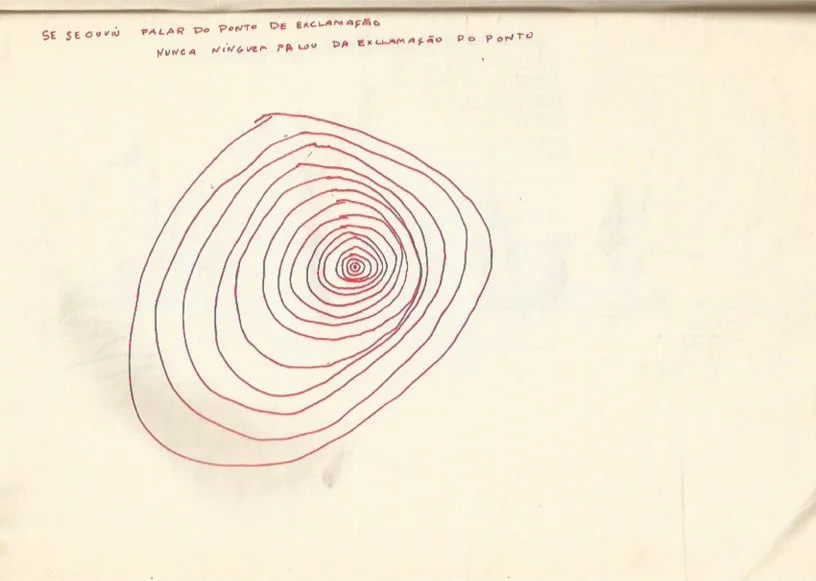
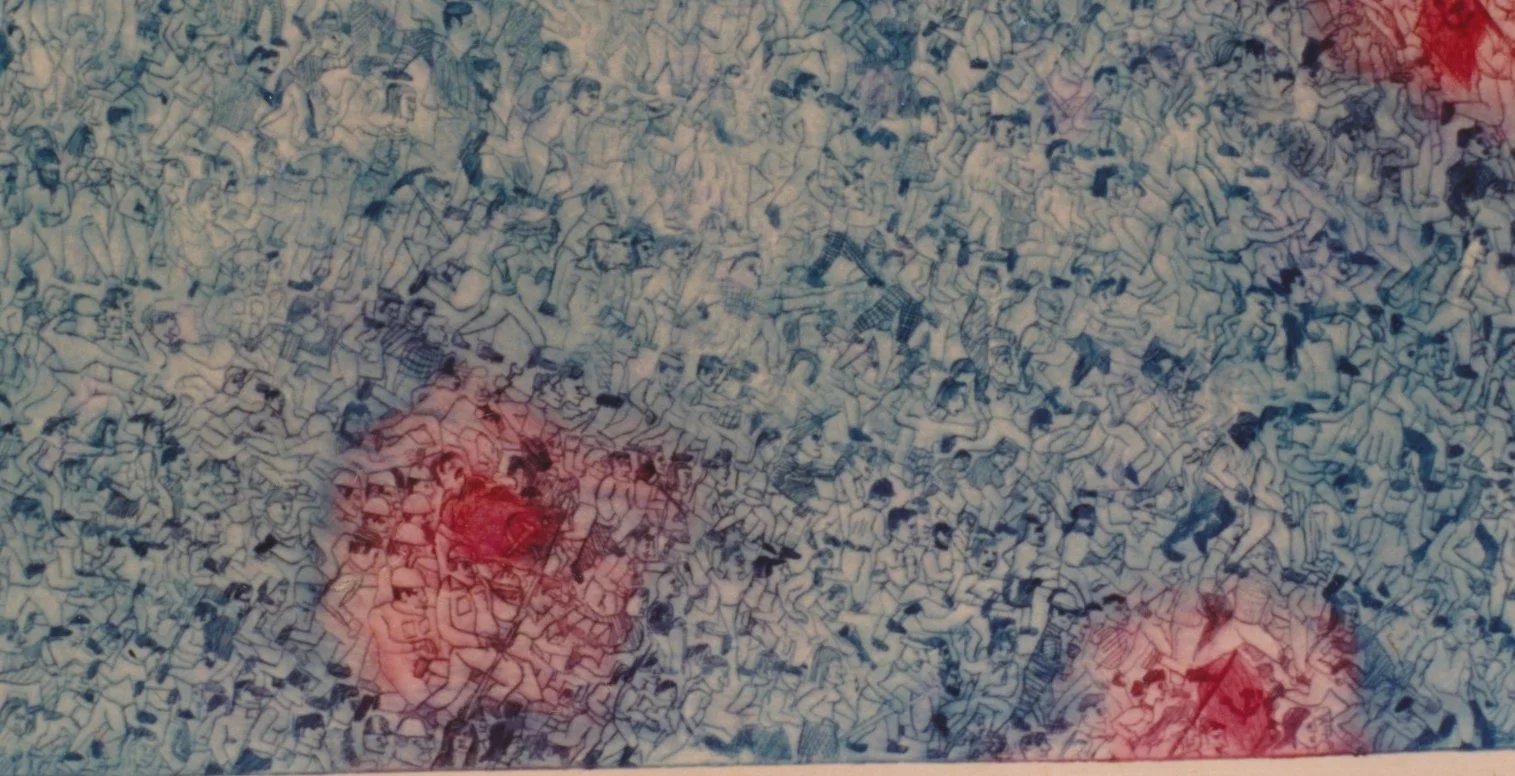
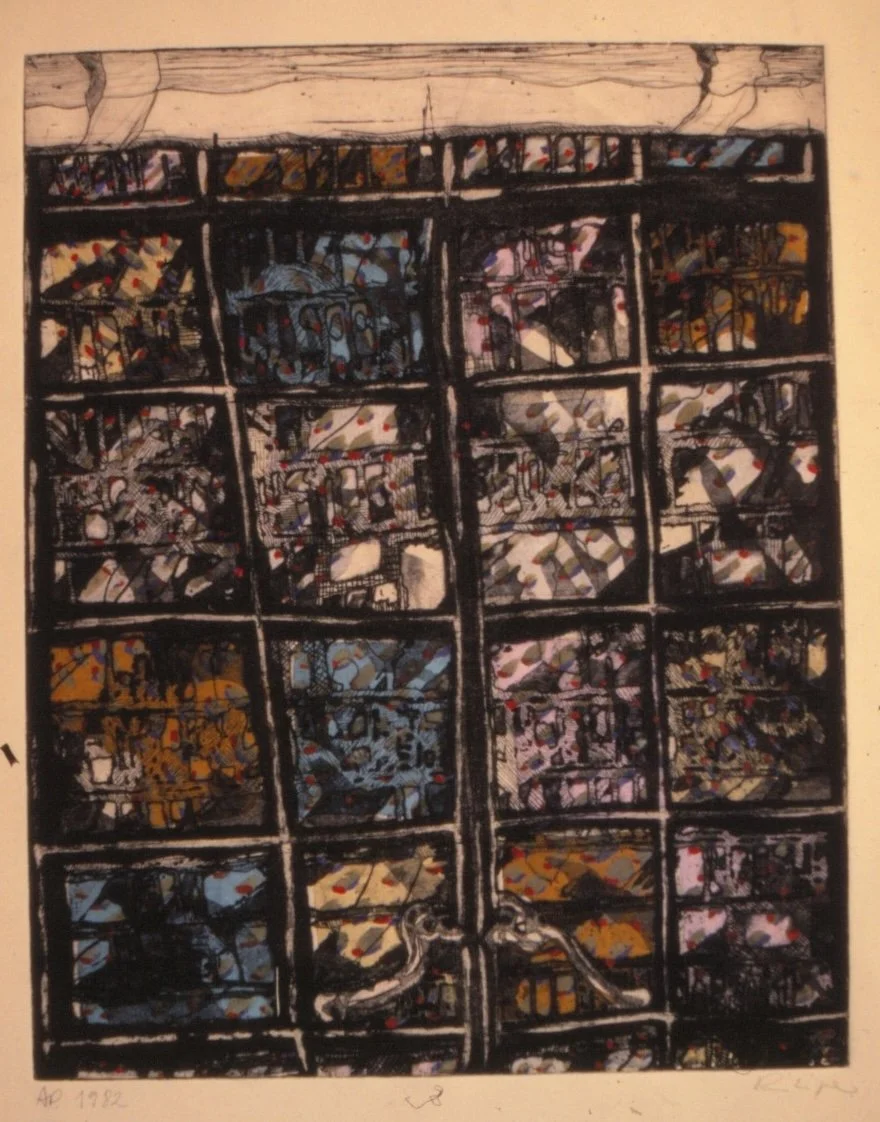


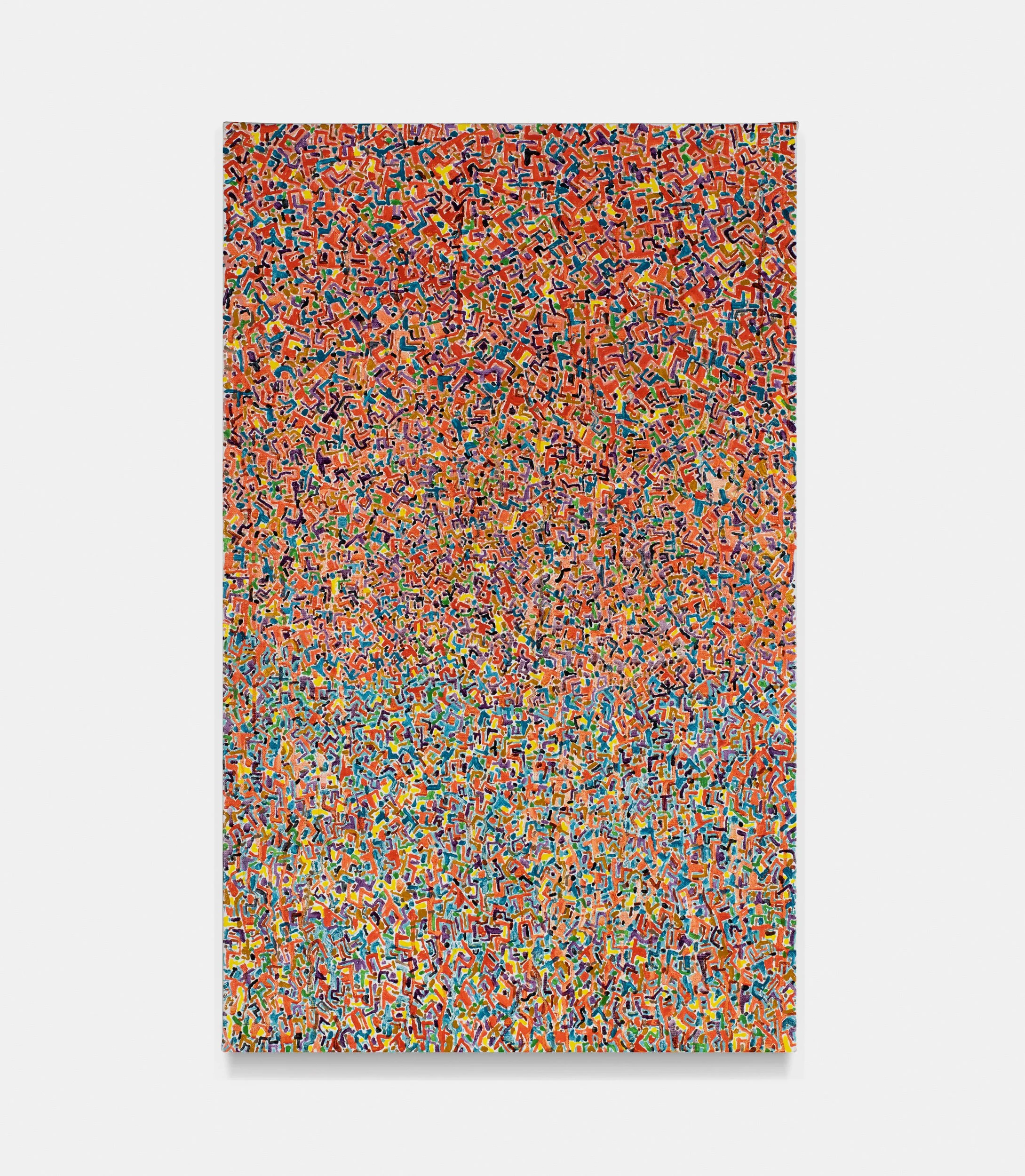
In the late 1980s, FRS held studio photo sessions with models to study movement and carry it into conceptual development. The running humanoid figures in a grid or pattern have been a constant in his work. The motif goes back to childhood and became deliberate in New York, 1982–85, under the influence of artists like Dubuffet, Penk, Haring and Basquiat, East Asian art and Muybridge's motion series.
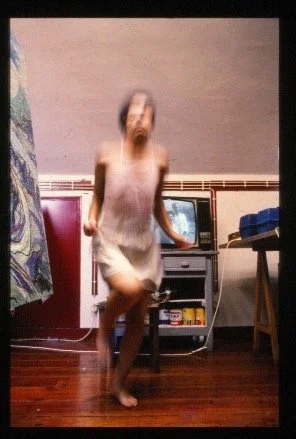
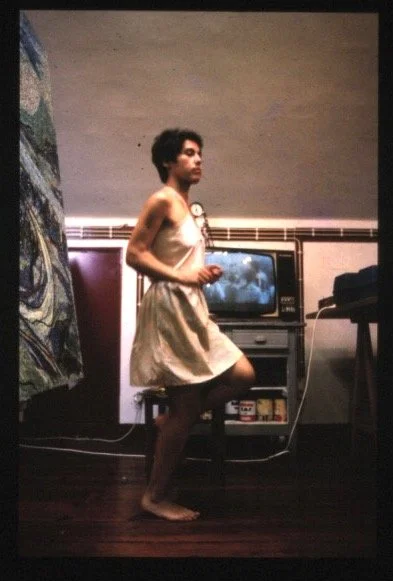

Checker board, oil on wood, 60x50 cm, 1992
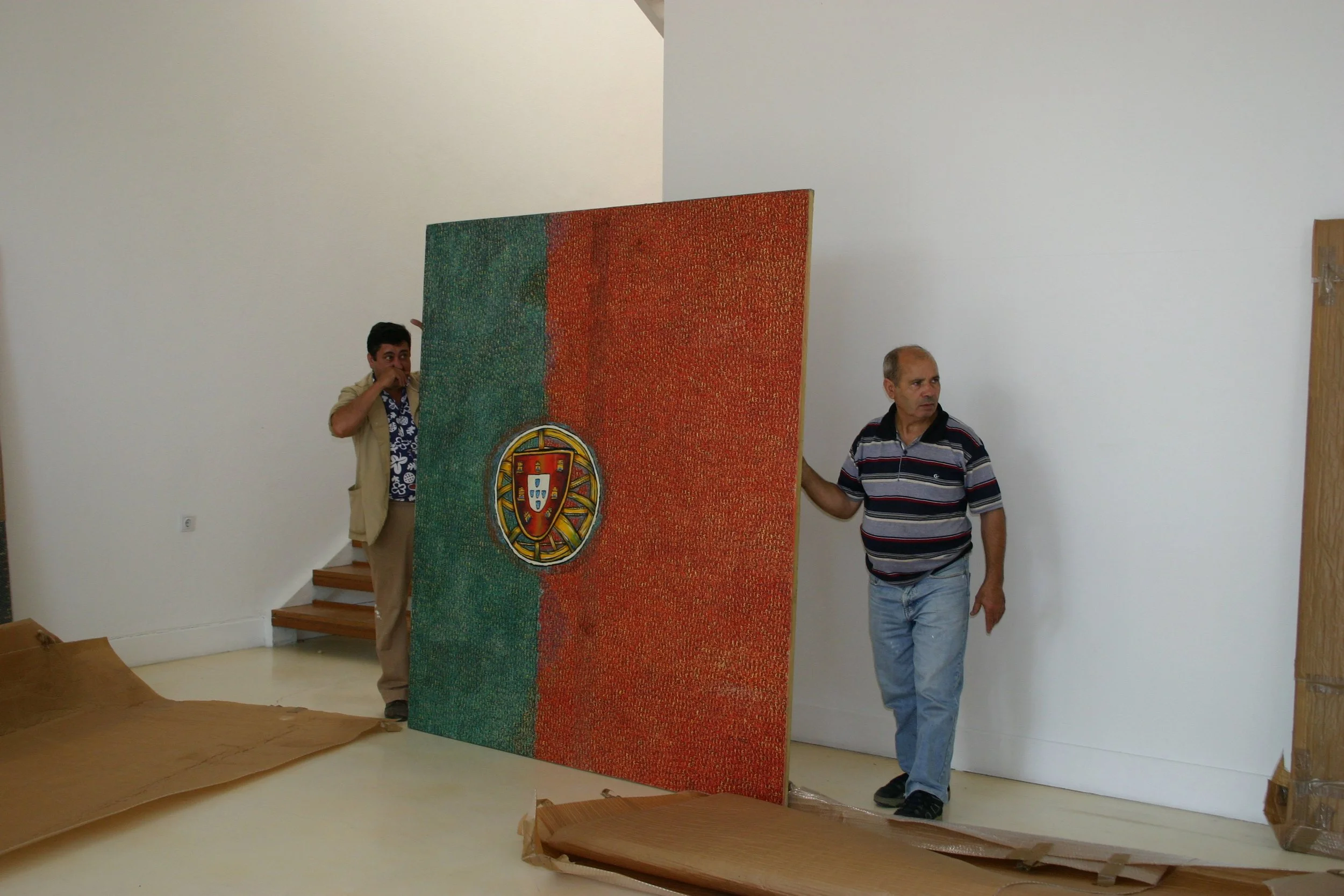
Setting up Pinturas Grandes (photo Sofia Castro). Painting: A Portuguesa, Oil on Canvas, 200X190cm, 1991.
Exhibition at Pavilhão Grande, Museu da Cidade de Lisboa, 2004/2004. CML/ José de Monterroso Teixeira. Opening: 21 October 2004.
Drawing.
Pencil and ink on paper, typewriting.